Our research activities and academic programs are remarkably broad, but they share one characteristic: all are curiosity-driven. Exploring the unknown is central to our mission to be the nexus of discovery and impact.
Ryan Young/Cornell University
HelioSkin is a lightweight, stretchable architectural fabric that is aesthetically attractive and can wrap around complex shapes.
Ryan Young/Cornell University
HelioSkin is a lightweight, stretchable architectural fabric that is aesthetically attractive and can wrap around complex shapes.
Kathy Hovis
From left, Wilson Kan, Marian Caballo and Reya Babu are all graduating this December.
Kathy Hovis
From left, Wilson Kan, Marian Caballo and Reya Babu are all graduating this December.
Students in A&S, each with an extraordinary journey to tell.
Jason Koski/Cornell University
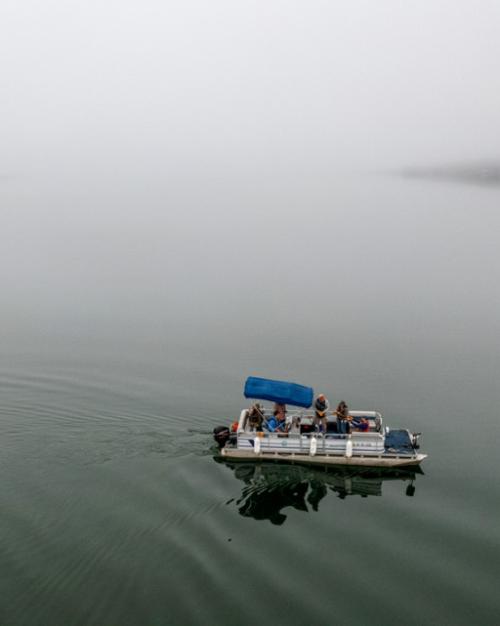
A team of scientists from Cornell, the State University of New York College of Environmental Science and Forestry and the New York State Department of Environmental Conservation took a DEC boat out onto Seneca Lake in September to place sensors and take water samples from the lake's depths.
Jason Koski/Cornell University
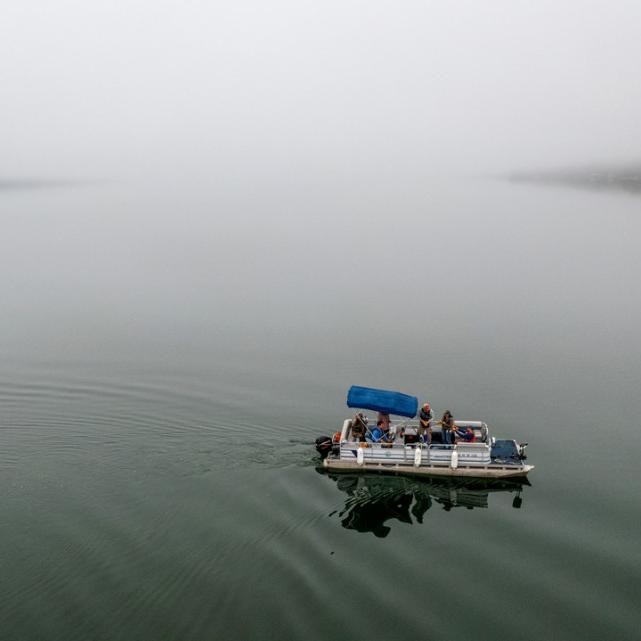
A team of scientists from Cornell, the State University of New York College of Environmental Science and Forestry and the New York State Department of Environmental Conservation took a DEC boat out onto Seneca Lake in September to place sensors and take water samples from the lake's depths.
This year, 27 new faculty have joined the College of Arts & Sciences, enriching 17 departments and programs with their excellence in an impressive range of topics, including moral psychology, gravitational waves, Black contemporary art and more.
The innovative undergraduate curriculum at A&S has distribution requirements that range from global citizenship to physical sciences to ethics and the mind. Classes build upon each other and cross the boundaries of traditional academic fields. Extensive work occurs outside of your major and minors, and there are no required core courses. Work closely with inspiring faculty to develop the hallmark skills of a liberal arts and sciences education – the ability to read critically, write persuasively and think broadly.
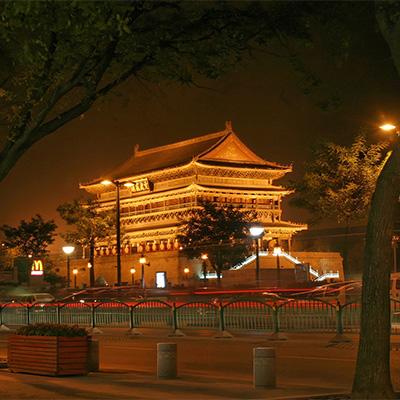
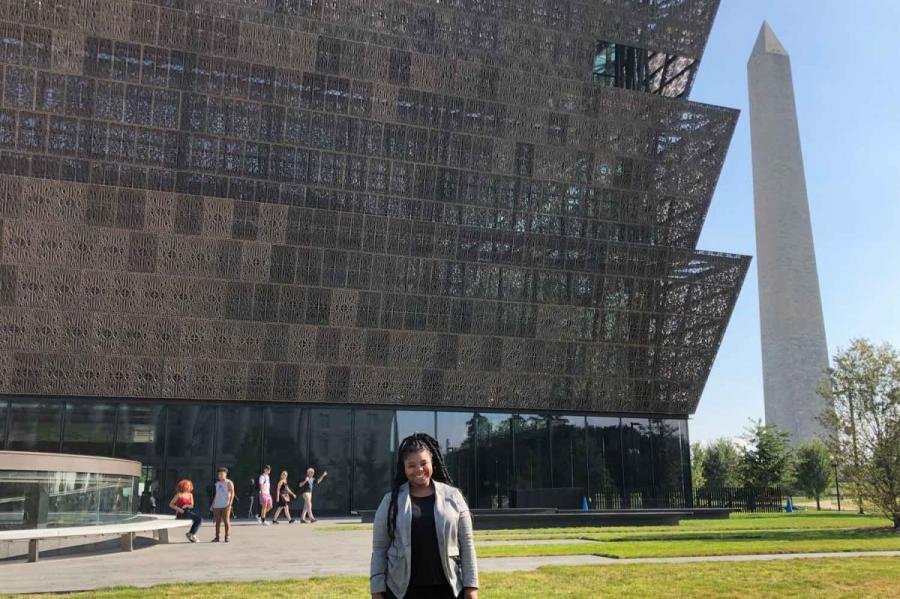
The Brittany and Adam J. Levinson Program in China and Asia–Pacific Studies (CAPS) offers a unique and rigorous curriculum in the study of contemporary China, through a set of courses on China’s language, history, politics, economy, society, and international relations, and by providing students with experiential learning opportunities, including one required semester in Beijing and one optional semester in Washington, D.C. Designed as an interdisciplinary program to train future leaders in various domains of U.S.-China relations, the Levinson Program offers both the Major and Minor in China and Asia-Pacific Studies to Cornell undergraduate students.
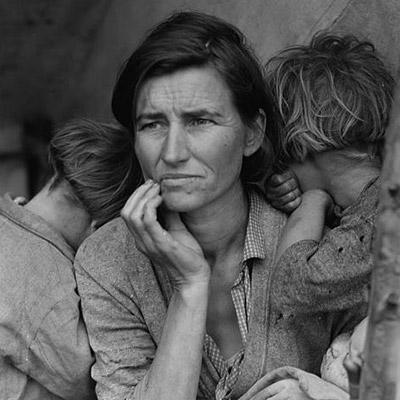
In American Studies, you’ll embark on an interdisciplinary study of the themes, trends and patterns that characterize the American past and present. You’ll use multiple perspectives and methodologies, learn to synthesize knowledge and develop the critical thinking skills needed for rigorous, complex analysis. American Studies majors have the flexibility to define their own area of concentration, such as visual studies, cultural studies, race and ethnicity, legal and constitutional studies, the American environment, American capitalism or class and social structure.
As a comparative literature major, you’ll gain a critical and historical perspective on world literature and cultures, with the choice of two tracks. If you want to emphasize literature in your course work, take the comparative literary studies track; if you’re interested in studying literature and theory by integrating rigorous work in film, video or other arts and media, take the literary, visual and media studies track. The major’s broad range of courses provides a critical and historical perspective on world literature and cultures.
As a feminist, gender & sexuality studies major, you’ll have the opportunity to study a wide range of fields from the perspectives of feminist and LGBTQIA critical analysis, in a global context and with the purpose of promoting social justice. You’ll use the skills you learn in these classes to engage with such disciplines as anthropology, performing and media arts, English literature, Africana studies, comparative literature, Romance studies, music, Asian studies, industrial and labor relations (ILR), science and technology studies, sociology, government, history, history of art and many more.
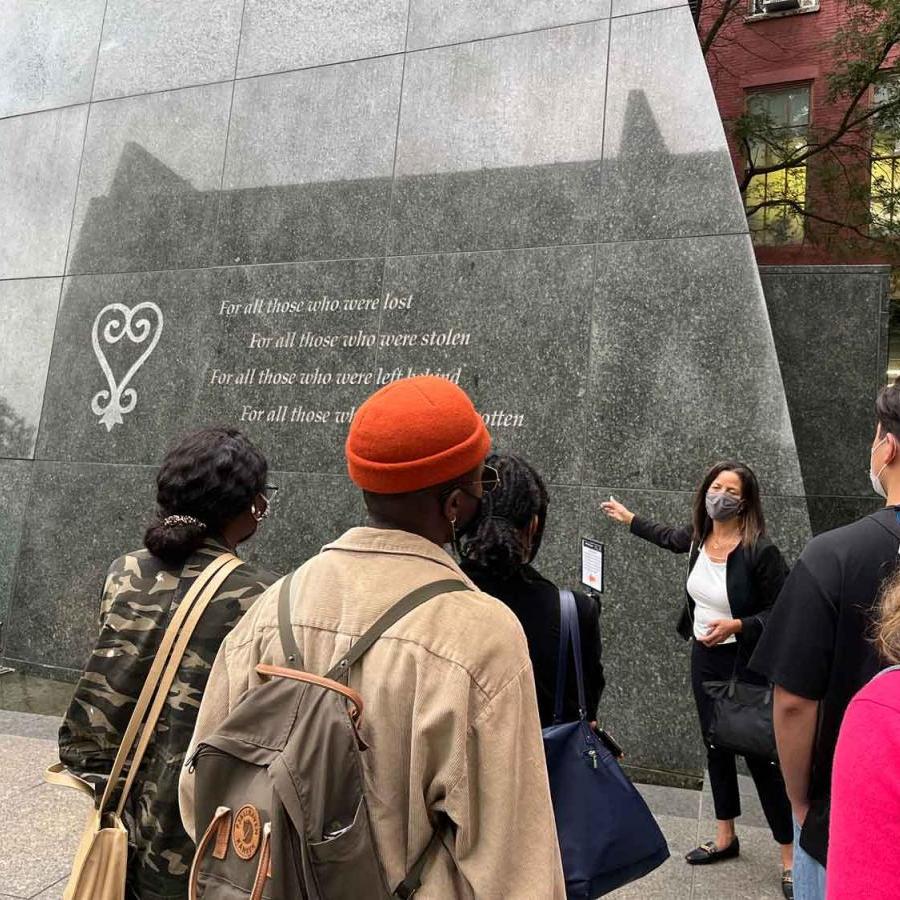
Public history is any form of historical engagement that moves beyond the traditional classroom and scholarly publication, including monuments, museums, oral history, historical preservation, walking tours, as well as historically-engaged performance and documentary film. The Public History minor provides students opportunities to think critically about diverse modes of historical learning and storytelling and the many ways historical knowledge circulates in public life: Whose histories are privileged and silenced? What strategies can we use to uncover and share knowledge of the past? How does history shape experiences of identity and community? And how can public and community-engaged history help us to better understand society and politics today? Courses in the Public History minor also emphasize applied forms of historical engagement—archival research, community-based oral history projects, and curation.
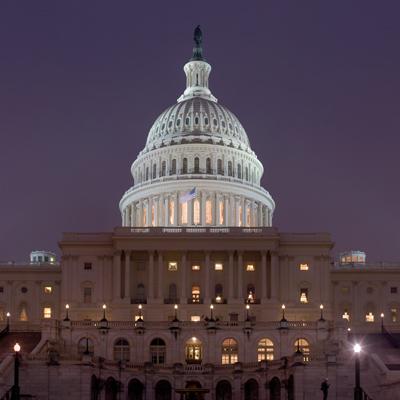
The study of public policy is a comprehensive exploration of the politics and mechanisms that shape policy formulation and execution, coupled with an assessment of their effects on society’s welfare and quality of life. Students who choose to major in public policy engage with a broad range of topics, including governmental policies impacting areas such as children and families, crime prevention, democratic processes, educational systems, environmental conservation, financial sectors, social inequality, public health initiatives, market regulations, and workplace dynamics, among others.
The major’s distinctive strength lies in its cultivation of robust theoretical frameworks, rigorous quantitative analysis skills, critical analytical thinking, strategic planning abilities, and the application of these skills to address real-world policy challenges. These competencies are highly sought after in both government and private sector settings, and our graduates are equipped to navigate complex policy landscapes and drive positive social change.
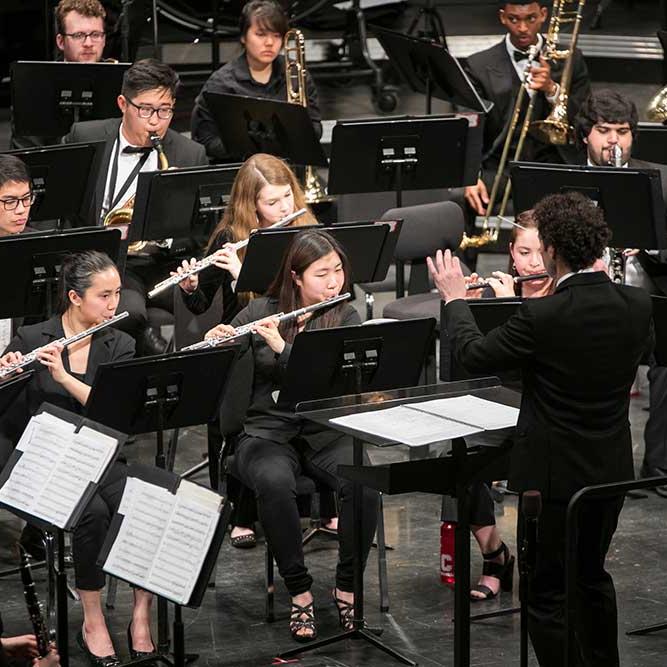
As a music major, you’ll carry the study of music to an advanced level through the integration of performance, history, music theory and composition. Whether oriented toward eventual graduate or professional work in music or a more general approach, you can choose among courses from medieval chant to hip-hop, from classical-era European music to the musics of Latin America and Africa, from electroacoustic music to musical systems from around the globe. We also offer opportunities for performers through individual instruction in piano, violin, voice, percussion and other instruments, as well as through participation in our diverse instrumental ensembles.
As a linguistics major, you’ll explore the fascinating phenomenon of human language. Through your coursework you’ll learn how language is structured, acquired and used in social interactions. You’ll also learn how language changes over time or how it can be modeled computationally. Coursework for the major includes foundation and core courses, leaving you the flexibility to develop programs of study that focus on your areas of special interest. Linguistics combines well with language study and related fields such as philosophy, psychology, computer science and anthropology.
The Science Communication and Public Engagement minor is designed for undergraduates who are interested in the sciences and/or engineering and would like to learn how to use a wide variety of communication tools for engaging publics, including non-technical audiences and policymakers. Students completing the minor will develop an identity as someone who can contribute to the public understanding of science.
With an international relations minor, you’ll be able to take advantage of the vast resources available across colleges and departments for studying the politics, economics, history, languages and cultures of the countries and regions of the world, adding a global and cross-cultural dimension to your major studies. This interdisciplinary program, offered through the Mario Einaudi Center for International Studies, is open to undergraduates enrolled in any of the seven Cornell undergraduate colleges.
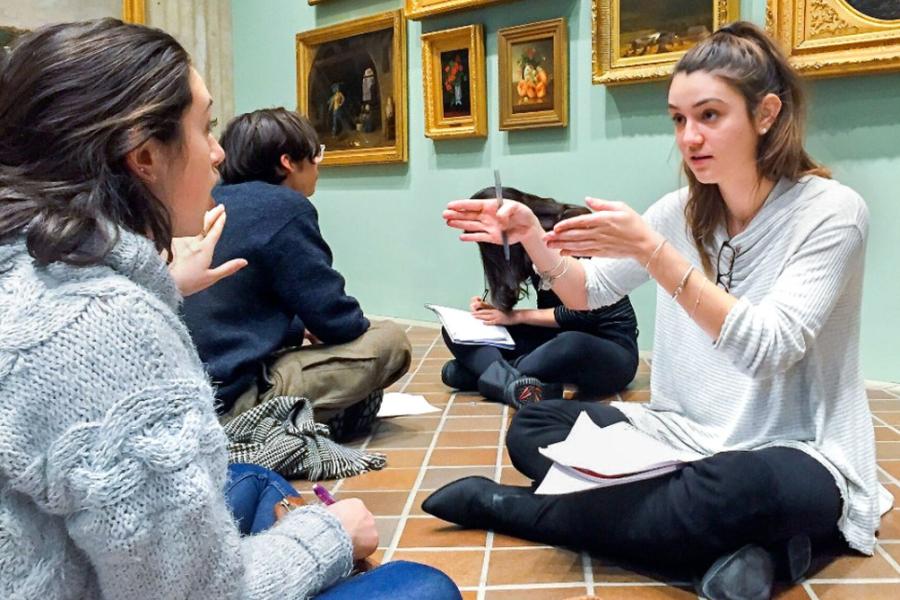
Michael Goldstein/Provided
College Scholars Program students from the College of Arts & Sciences visit the Johnson Museum.
The pinnacle of the liberal arts experience
Robert S. Harrison College Scholar Program
Students design their own interdisciplinary major, organized around a question or issue of interest, and pursue a course of study that cannot be found in an established major. Harrison College Scholars explore subjects with a broader integration of related disciplines than most students would attempt.
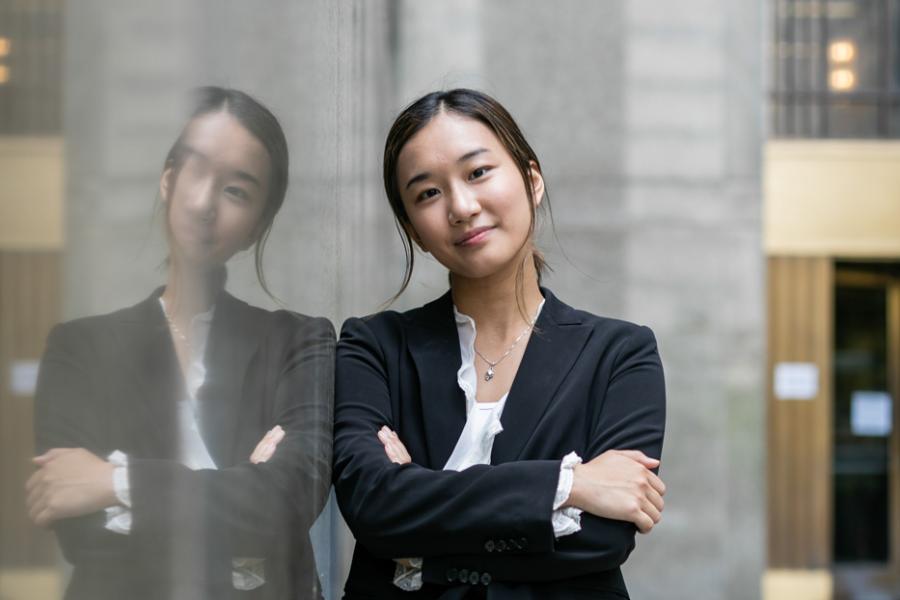
Jesse Winter
Louise Wang outside the Manhattan Criminal Courthouse, where she worked this summer, in New York City.
A deep dive into the humanities
Humanities Scholars Program
This program offers a signature learning, research and collaboration opportunity for undergraduate students across the university who are interested in the humanities.
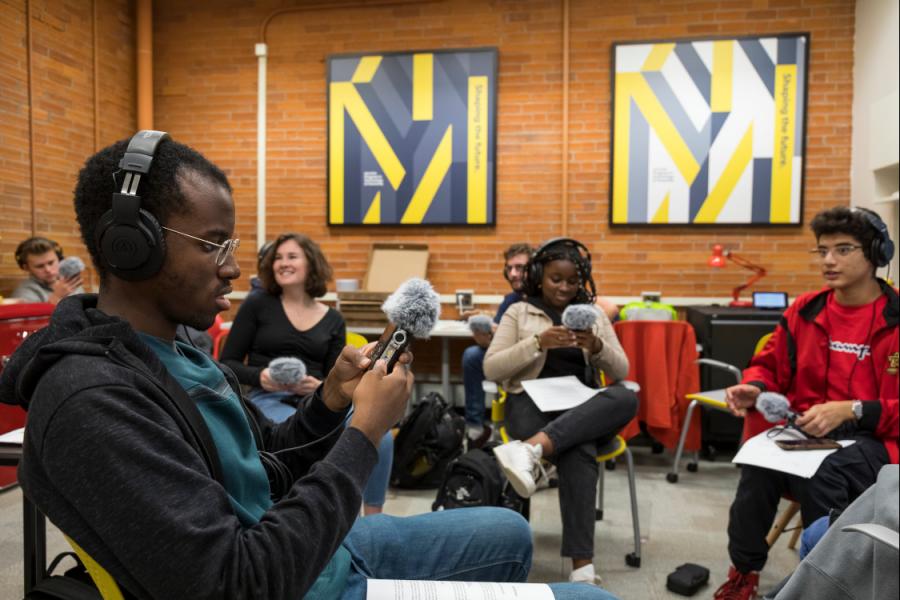
Students in the Milstein Program in Technology & Humanity combine Cornell’s renowned liberal arts and sciences classes in Ithaca with the 21st century tech curriculum at Cornell Tech in NYC.
Summer opportunities are crucial to student career success, but these life-changing experiences frequently offer little to no funding. That’s a critical barrier for many of our students – and one that the College of Arts and Sciences feels is vital to overcome.
The Summer Experiences Grants (SEG) do just that. They support students with living expenses, transportation, and travel so that these essential experiences are available to all of our students, who may otherwise not be able to afford them.
Research, scholarship and creative works to understand humanity and the cosmos
Curiosity is the driver for research in A&S. From the dendrochronology lab where archaeologists analyze tree-ring growth to understand climate change to the linguistics department where students created a new language for a Captain Marvel movie, our students and faculty take full advantage of all that our world-class research university encompasses.
With opportunities spanning the natural sciences, social sciences and humanities, research here takes place in laboratories, museums, field sites, libraries, hospitals, greenhouses, performance spaces and archives.
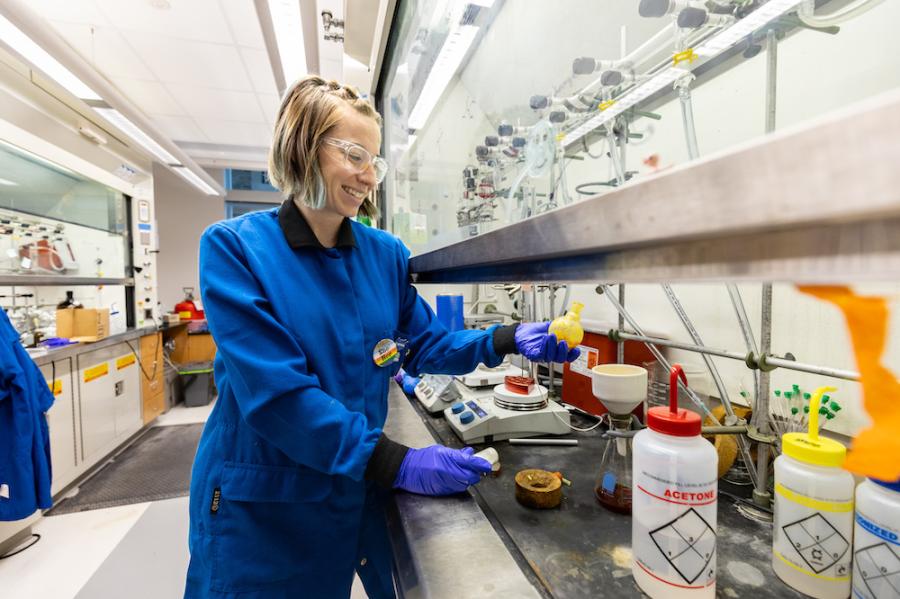
Chris Kitchen
Alexa Easley is working to develop materials for low-energy carbon capture that are organic and easy to make on large scales and in realistic conditions.
Premier postdocs
Klarman Fellowships
This premier postdoctoral fellowship program offers opportunities for early-career scholars of outstanding talent, initiative and promise to devote themselves to frontline, innovative research without being tied to specific outcomes.
Chris Kitchen
Students Sneah Singhi ’26, left, and David Behdad ’25 work in the observation room at the B.A.B.Y Lab, which studies infant language acquisition.
Undergraduate research opportunities
Nexus Scholars Program
The Nexus Scholars Program in the College of Arts & Sciences provides undergraduate students with summer opportunities to work side by side with faculty from all across the college (humanities, social sciences, and STEM) on their research projects.
Chris Kitchen
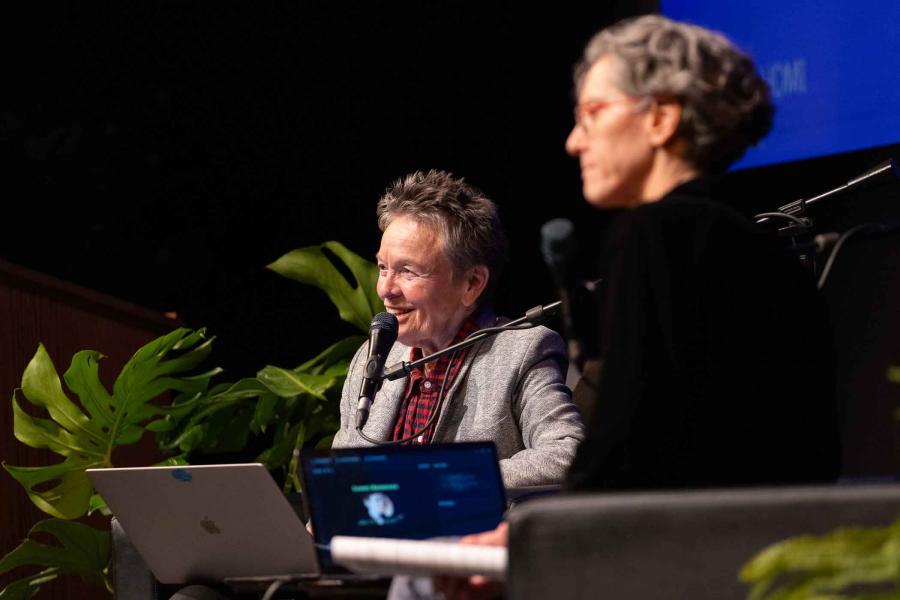
Anderson, left, and Peraino, right traced the arc of Anderson's multi-decade career.
Open your mind
Arts Unplugged series
The College of Arts & Sciences’ Arts Unplugged series brings research and creative works into the public sphere for discussion and inspiration. These outreach events invite a broad audience to explore the work of scholars and faculty from all disciplines, all backgrounds and all time periods and to celebrate the impact that work continues to have on our daily lives.
Noël Heaney/Cornell University
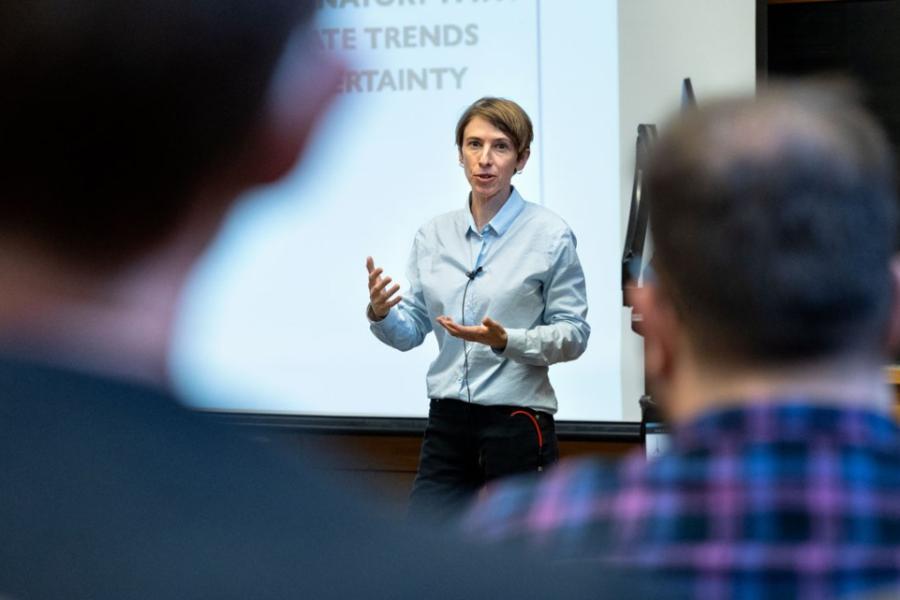
Natalie Wolchover speaks March 15 in Lewis Auditorium.
Engagement for an informed society
Distinguished Visiting Journalist Program
The College of Arts & Sciences' Distinguished Visiting Journalist Program brings accomplished journalists to Cornell for extended visits. The program aims to recognize excellence in journalism and to provide opportunities for select journalists and the university community to engage with each other.
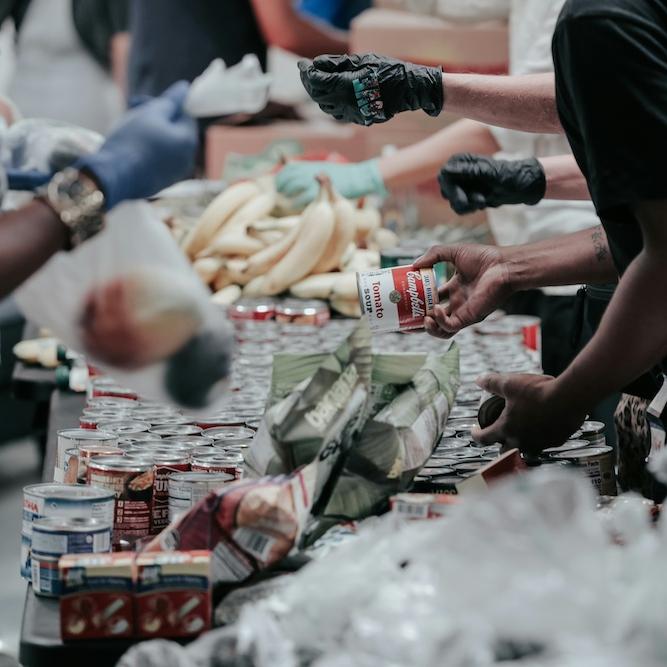
Joel Muniz/Unsplash
Gratitude helps you live up to your best self and be a better member of society.
Joel Muniz/Unsplash
Gratitude helps you live up to your best self and be a better member of society.
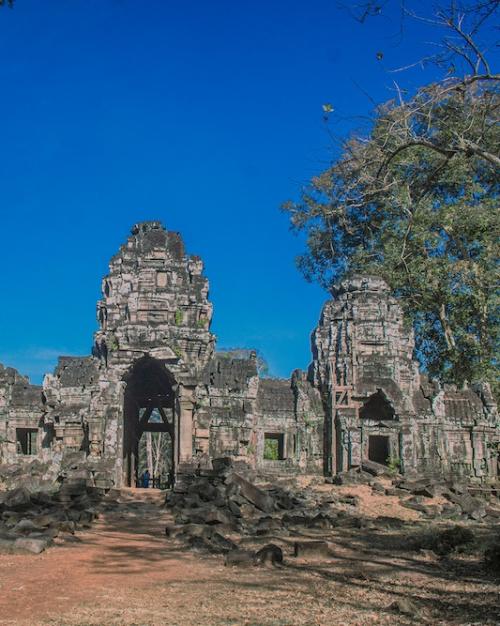
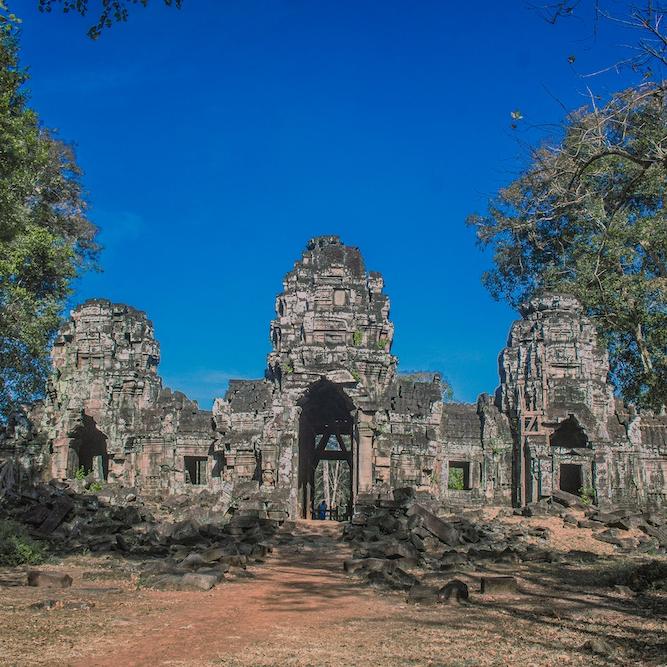
SAM sokkolinmony/Unsplash
Main gate of Presh Khan Kampong svay Temple in Cambodia's Presh Vihea Province, on the border with Thailand
SAM sokkolinmony/Unsplash
Main gate of Presh Khan Kampong svay Temple in Cambodia's Presh Vihea Province, on the border with Thailand
Ministry of Defense of Ukraine/Creative Commons license 2.0
Anti-terrorist operation in eastern Ukraine
Ministry of Defense of Ukraine/Creative Commons license 2.0
Anti-terrorist operation in eastern Ukraine
Eric Koch/Anefo, Creative Commons license 3.0
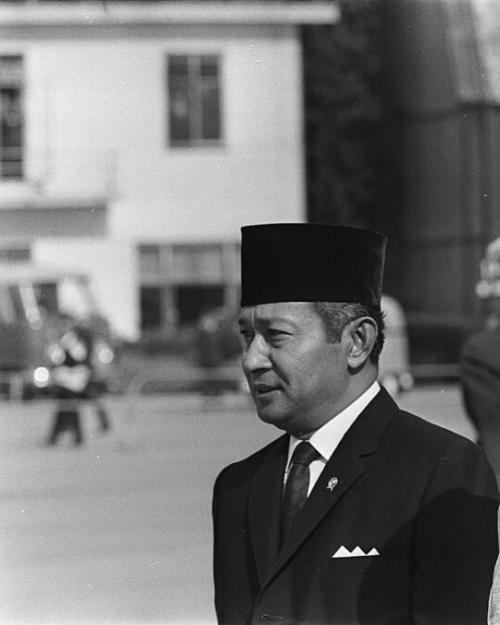
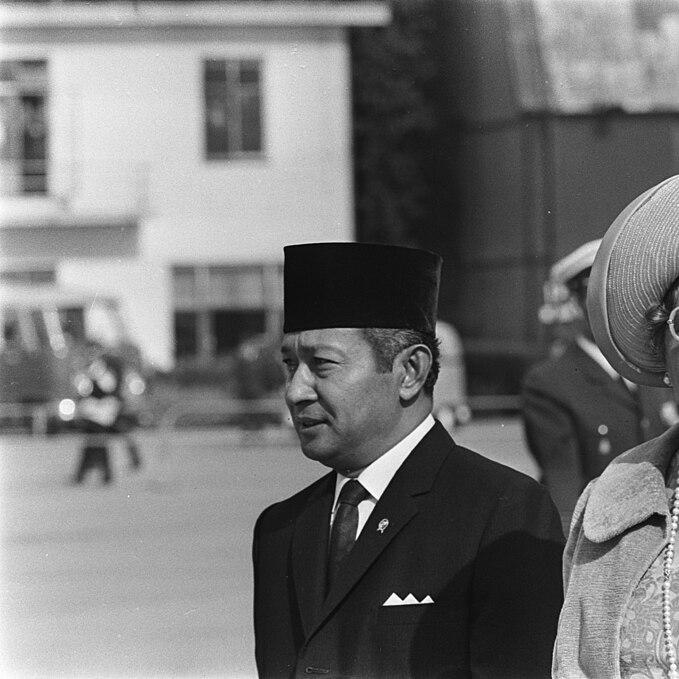
President Suharto of Indonesia arrives in the Netherlands for a state visit with Queen Juliana
Eric Koch/Anefo, Creative Commons license 3.0
President Suharto of Indonesia arrives in the Netherlands for a state visit with Queen Juliana